Wuthering Heights Explained: Why It's Not a Love Story
For generations, Emily Brontë's
Wuthering Heights has captivated readers with its wild landscapes, passionate declarations, and tragic fates. Yet, a persistent misconception often clouds its true brilliance: the idea that it is, at its heart, a grand, sweeping romance. While the intensity of Catherine Earnshaw and Heathcliff's bond is undeniable, a closer look at this complex novel reveals a far darker, more intricate tapestry woven with threads of power, property, humiliation, and revenge. When exploring
Wuthering Heights Explained from this perspective, the narrative transforms from a tale of star-crossed lovers into a profound study of human cruelty and the destructive cycle of inherited trauma.
Beyond the Swoon: Deconstructing the Myth of Romantic Love in Wuthering Heights
Many readers approach
Wuthering Heights expecting a traditional love story, perhaps influenced by film adaptations or popular retellings that foreground the dramatic declarations between Catherine and Heathcliff. Indeed, their connection is fierce, almost supernatural in its intensity. Catherine famously declares, "I *am* Heathcliff," a statement often interpreted as the ultimate romantic confession. However, to frame their relationship solely through the lens of romance is to miss the profound societal and psychological undercurrents that drive the plot.
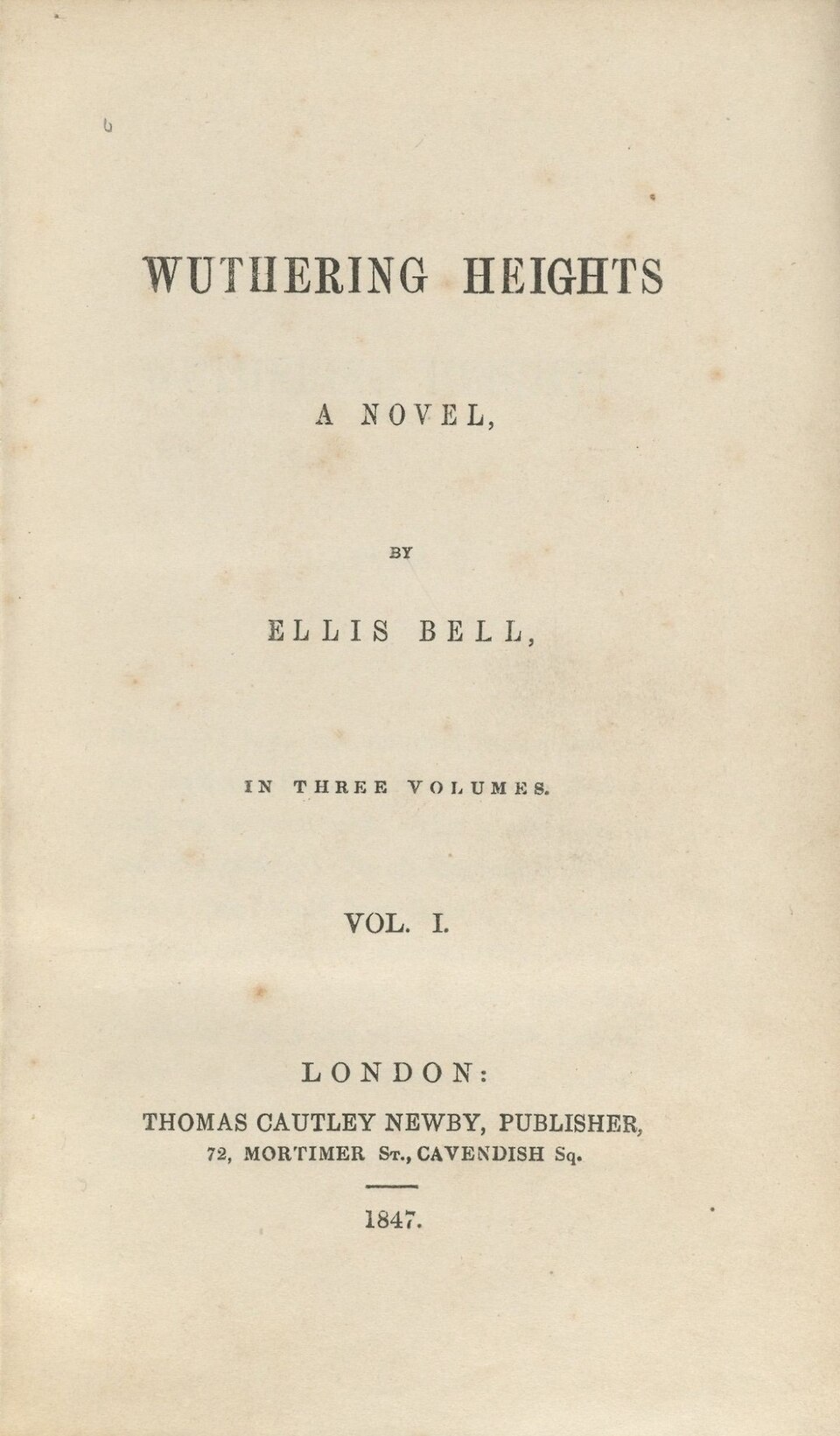
Brontë's novel, published in 1847, is first and foremost a Gothic masterpiece. Set against the desolate, windswept Yorkshire moors, it uses its wild, untamed backdrop to mirror the equally untamed passions and brutal realities of its characters. This isn't a world of gentle affection and tender gestures; it's a brutal landscape where survival often depends on dominance, and emotions run raw and unchecked. The love, if we can call it that, between Catherine and Heathcliff is less about mutual adoration and more about a shared identity – a mirroring of untamed spirits that find solace in their mutual wildness. It's a connection so deeply rooted in their very beings that it transcends conventional understanding, but it is ultimately entangled with, and often overshadowed by, far more destructive forces.
The Real Engine: Power, Property, and Humiliation
The true engine of
Wuthering Heights, when it is truly
Wuthering Heights Explained, lies not in romantic longing but in a relentless struggle for power and status. The story begins with Mr. Earnshaw bringing home Heathcliff, an orphaned boy, disrupting the delicate social order of Wuthering Heights. From this moment, the narrative is propelled by the deep-seated resentment of Hindley Earnshaw, who sees Heathcliff as a usurper of his father's affection and his rightful place.
When Mr. Earnshaw dies, Hindley inherits the estate and immediately sets about systematically degrading Heathcliff. He strips him of education, relegates him to the status of a common laborer, and subjects him to constant humiliation. This intentional stripping away of Heathcliff's dignity, identity, and future is the foundational trauma of the novel. It's not just a personal affront; it's an attack on his very being, fueled by Hindley's jealousy and insecurity. This act of disinheritance and dehumanization is what truly ignites Heathcliff's lifelong quest for revenge and control. His later actions, often seen as the mad ravings of a broken heart, are in fact calculated moves to reclaim what was taken from him and inflict similar suffering upon those who wronged him and their descendants. This initial power struggle between Hindley and Heathcliff provides a lens through which to better understand
Your Clear Wuthering Heights Plot Summary & Deeper Meaning.
Consider Catherine’s pivotal choice to marry Edgar Linton. It’s often presented as a betrayal of her love for Heathcliff. However, Catherine herself articulates her reasons with stark clarity: Edgar offers her social elevation, security, and comfort – "respectability." While she admits her soul is bound to Heathcliff, her practical decision is rooted in the societal pressures and expectations of the time, where marriage was often an economic and social transaction. Her choice, while devastating to Heathcliff, reinforces the novel’s underlying theme that status and property hold immense sway, even over the most passionate affections.
Catherine and Heathcliff: A Bond of Identity, Not Just Affection
The infamous declaration, "I am Heathcliff," often cited as the ultimate romantic line, requires deeper examination. Catherine doesn't say "I love Heathcliff" as much as she asserts a fundamental, elemental shared identity. They are two halves of the same wild, untamed spirit, forged in the freedom of the moors. Their bond is visceral, a recognition of self in the other, but it's also profoundly flawed and ultimately destructive.
This isn't a love that seeks to uplift or nurture; it's a co-dependent, almost parasitic connection that thrives on shared rebellion and mutual understanding of their outsider status. When Catherine chooses Edgar, it’s not just a rejection of Heathcliff, but a rejection of that wild, untamed part of herself that Heathcliff embodies. This act, perceived as the ultimate humiliation and abandonment by Heathcliff, solidifies his trajectory of revenge. His subsequent descent into cruelty and his meticulous schemes to acquire Wuthering Heights and Thrushcross Grange are not merely expressions of a broken heart but calculated retaliations born from deep-seated anger and the desire to dominate those who once dominated him. Their "love," therefore, serves more as a catalyst for the overarching themes of revenge and social mobility than as the central message of the story itself.
A Legacy of Vengeance: The Intergenerational Cycle
The enduring power of
Wuthering Heights lies in its portrayal of how the cycle of power struggles and revenge perpetuates across generations. Heathcliff, having suffered intense humiliation, spends the rest of his life systematically destroying the lives of those connected to Hindley and Catherine. His actions are not random acts of cruelty; they are meticulously planned acts of retribution.
He degrades Hareton, Hindley’s son, by denying him education and reducing him to the very servant status he himself endured. He manipulates young Catherine Linton and Linton Heathcliff (his own sickly son) to secure both estates, effectively usurping the roles of the gentry who once scorned him. Every move is a calculated chess move in a game of vengeance, proving that his focus is on reversing the power dynamics, rather than merely mourning a lost love. Even the potential for a redemptive romance between young Catherine and Hareton at the novel's close is less about a blissful happy ending and more about the *breaking* of the destructive cycle that Heathcliff initiated. It suggests that true peace can only come when the pursuit of power and revenge is finally abandoned. This deeply Gothic anguish is something worth exploring
Before the Film: Unpacking Wuthering Heights' Gothic Anguish.
Tips for a Deeper Reading of Wuthering Heights
If you’re revisiting
Wuthering Heights or approaching it for the first time, consider these insights to unlock its full depth:
*
Focus on the Narrators: Remember that Nelly Dean is the primary storyteller, and she has her own biases and interpretations. How might her perspective color your understanding of events?
*
Track Property and Inheritance: Pay close attention to who owns which estate, how it's inherited, and how marriages impact property rights. These details are crucial to understanding the power dynamics.
*
Analyze Social Class: Observe the subtle and overt ways social class influences characters' choices, particularly Catherine's decision to marry Edgar and Heathcliff's lifelong struggle for status.
*
Look Beyond Passionate Declarations: While dramatic, question the true motivations behind intense emotional outbursts. Are they always about love, or do they serve other purposes like manipulation, defiance, or asserting dominance?
*
Consider the Impact of Trauma: See how early experiences of humiliation and loss shape characters' adult lives and their relationships with others.
In conclusion, while the raw, undeniable intensity between Catherine and Heathcliff remains a powerful element of the narrative, to label
Wuthering Heights purely as a love story is to diminish its profound exploration of more unsettling themes. It is a brilliant, brutal examination of how deep-seated resentment, the relentless pursuit of power, and the devastating impact of social and emotional humiliation can shape lives and echo through generations. By understanding
Wuthering Heights Explained through this lens, we uncover a far richer, more disturbing, and ultimately more enduring literary masterpiece.